
GLM-5.2 context engineering is the practice of giving an agent the smallest current evidence package that lets it take the next repository action safely. Do not start by loading everything. Start with a task, identify the architecture and contracts it crosses, attach the relevant tests and owners, then refresh only the facts that the next phase needs. A long context window makes a larger package possible; it does not decide what belongs in it.
Z.AI’s official materials position GLM-5.2 for long-horizon work and describe a one-million-token context capability. Before using that fact operationally, verify the current model name, endpoint, tool support, caching behavior, and plan-specific limitations in the GLM-5.2 overview and current API documentation. Z.AI’s general API documentation describes tools and tool results, while the Coding Plan uses a dedicated endpoint; neither statement means every capability is enabled in every configuration.
Choose a Task Before Building the Context
Name the change and its acceptance condition before collecting files. “Make the API safer” is not enough. “Reject an invalid field at the boundary, preserve the existing error contract, and update the integration test” is a usable starting point. It determines what to retrieve and what to leave out.
Record four items: the goal, the boundary, the allowed files, and the evidence that will decide completion. The boundary may include files that must not change, a migration that requires an owner, or a deployment setting that an agent can read but not alter. This task contract limits context drift because every later retrieval must answer a specific uncertainty.
Prepare a Bounded Repository Context Bundle
A good bundle has a purpose for each item. It is not a compressed archive of the repository. Start with the task contract, then add a system map, the interfaces crossed, the tests that express the expected behavior, and ownership or rollout constraints. For a capability-oriented explanation of why these elements matter, see GLM-5.2 Codebase Understanding.
System map and module boundaries
Provide a short map of the entry point, owning modules, boundary interfaces, and external services. Prefer a maintained architecture document or source-linked map to an agent-generated summary with no provenance. Tell the agent which elements are confirmed and which are only working hypotheses.
Interfaces and dependency contracts
Include the type, schema, event, or API contract that the task changes, plus direct callers and consumers. When an edge is discovered through search rather than a build graph, label it as incomplete. That distinction prevents the agent from treating an unverified text match as an exhaustive dependency list.
Relevant tests, fixtures, and owners
Attach tests that demonstrate the expected outcome, fixtures that reproduce the case, and the owning team or reviewer when a decision crosses a boundary. Avoid including production secrets, personal data, unrelated incident logs, or credentials. Context that is valuable to a human reviewer is often more valuable than raw code volume.

Route Context by Task Phase
Use a different package for each phase rather than a permanent prompt that grows forever. This also makes it easier to compare runs after a model or repository update.
Orientation context
At orientation, provide the task contract, module map, and primary entry points. The deliverable is an evidence-linked map and a list of unanswered questions, not a diff.
Planning context
For planning, add the relevant contracts, direct dependencies, tests, and non-goals. Require an impact statement: files likely to change, files intentionally excluded, uncertainties, and the test or reviewer that will settle each uncertainty.
Implementation context
During implementation, expose only the files and tools authorized for the bounded change. If the agent crosses a new module, pause and retrieve that module’s contract and tests instead of silently broadening the task.
Review context
At review, replace exploratory material with the proposed diff, test results, changed interfaces, and acceptance criteria. The reviewer needs source evidence, not every abandoned hypothesis from the planning stage. A knowledge graph workflow can be one retrieval layer, but it should return provenance and freshness with every relationship.
Measure Context Waste and Missed Dependencies
Measure both sides of the context decision. Waste appears when a package repeatedly includes material that does not change the plan, implementation, or review. Missed dependencies appear when an agent discovers a relevant caller, test, ownership rule, or deployment constraint only after it has proposed an unsafe change.
For each trial, retain the task ID, repository revision, model and endpoint, context manifest, tool permissions, plan, diff, test results, and review outcome. Then classify failures: wrong architecture assumption, unobserved dependency, stale fact, scope violation, or ordinary coding error. This is more informative than treating token count as a quality metric.
Z.AI’s pricing documentation separates input, cached input, cached-input storage, and output where pricing is listed. Treat published prices and caching semantics as volatile. A cross-provider cost comparison is meaningful only when the task, context manifest, output limit, and retry policy are fixed.
Create Refresh Rules for Long-Running Work
Repository memory becomes dangerous when it has no expiry rule. Define what invalidates each artifact: a merged interface change invalidates dependent-call notes; a test rewrite invalidates its old interpretation; an ownership change invalidates reviewer routing; a branch switch invalidates the full task package until rechecked.
Use immutable references where possible: commit SHA, document revision, generated-at time, and the retrieval query. Re-read high-risk facts before implementation and review. Do not assume that context caching preserves truth; it can preserve an old payload efficiently. The current service behavior must be verified from Z.AI’s API references for the endpoint in use.

Production Boundaries and Human Review
Context engineering is not a permission system. Give autonomous agents least-privilege access, keep secrets outside the prompt and tool logs, and require a human decision for changes that cross deployment, data, security, or irreversible migration boundaries. A clean plan can still be wrong when the evidence package is incomplete.
For a multi-model strategy, read Share Repository Context Across Models as a governance question: keep the repository facts portable and the model-specific prompt disposable. Graphify can help make source, dependency, and test relationships explicit, but the owner decides whether they are current and sufficient.
Before a production trial, run one dry review with the intended permissions disabled. Confirm that the agent can still explain the missing evidence rather than inventing it, and that the escalation path reaches a named human owner. This turns a context boundary into an observable operating control, not merely an instruction in a prompt.
FAQ
Can context caching preserve outdated repository facts?
Yes. Caching can reuse a payload; it does not establish that the payload is still current. Version the package and refresh it after the relevant repository, document, permission, or branch change.
How should multilingual documentation be handled?
Preserve the original source and its owner, then add a reviewed translation or glossary when necessary. Do not silently replace a normative document with an unreviewed summary in another language.
Which metadata should stay outside the model prompt?
Secrets, credentials, unnecessary personal data, raw production records, and any information the task does not need should remain outside. A reference to an approved retrieval path is often safer than copying the payload.
Can teams compare context cost across model providers?
Yes, if they freeze the task suite, context manifest, output limits, retry policy, endpoint, and accounting period. Compare total decision cost, including reviewer time and failed runs, not tokens alone.
What should be preserved when an agent task is rolled back?
Keep the task contract, repository revision, context manifest, plan, attempted diff, test output, failure reason, and the human decision. Sanitize sensitive material before retention and mark the old context as invalid for reuse.
Conclusion
The point of GLM-5.2 context engineering is not to fill a large context window. It is to make each phase answerable with current, scoped evidence. Start with the task, route only the needed architecture and test facts, refresh them when the repository moves, and leave the final decision to tests and reviewers. For a structured retrieval layer, use Graphify with explicit provenance and expiry rules. The team should be able to show why each item was included, which source revision it came from, and who can approve its continued reuse.
Explore this topic
Related posts
GLM-5.2 Codebase Understanding
GLM-5.2 codebase work still needs repository structure, dependency context and review boundaries, even when long context is available.
Claude Opus Context Engineering for Coding Agents
Claude Opus context engineering: prepare architecture, dependency, decision, and test evidence before multi-file coding-agent work.

Claude Opus 5 Codebase Context: What a Better Model Still Needs
Claude Opus 5 has a large context window, but reliable codebase work still needs repository structure, dependency evidence, tests, and review boundaries.

Kimi K3 Context Window vs Repo Structure
Kimi K3 context window size helps with more code, but repo structure still matters for reliable coding-agent work.

Kimi K3 Context Engineering for Coding Agents
Kimi K3 context engineering helps coding agents use architecture, dependencies and repository memory before editing code.

Macaron Context Engineering for Coding Agents
Macaron context engineering gives coding-agent workflows architecture, dependencies, decisions, and test evidence before multi-file edits.
Latest posts
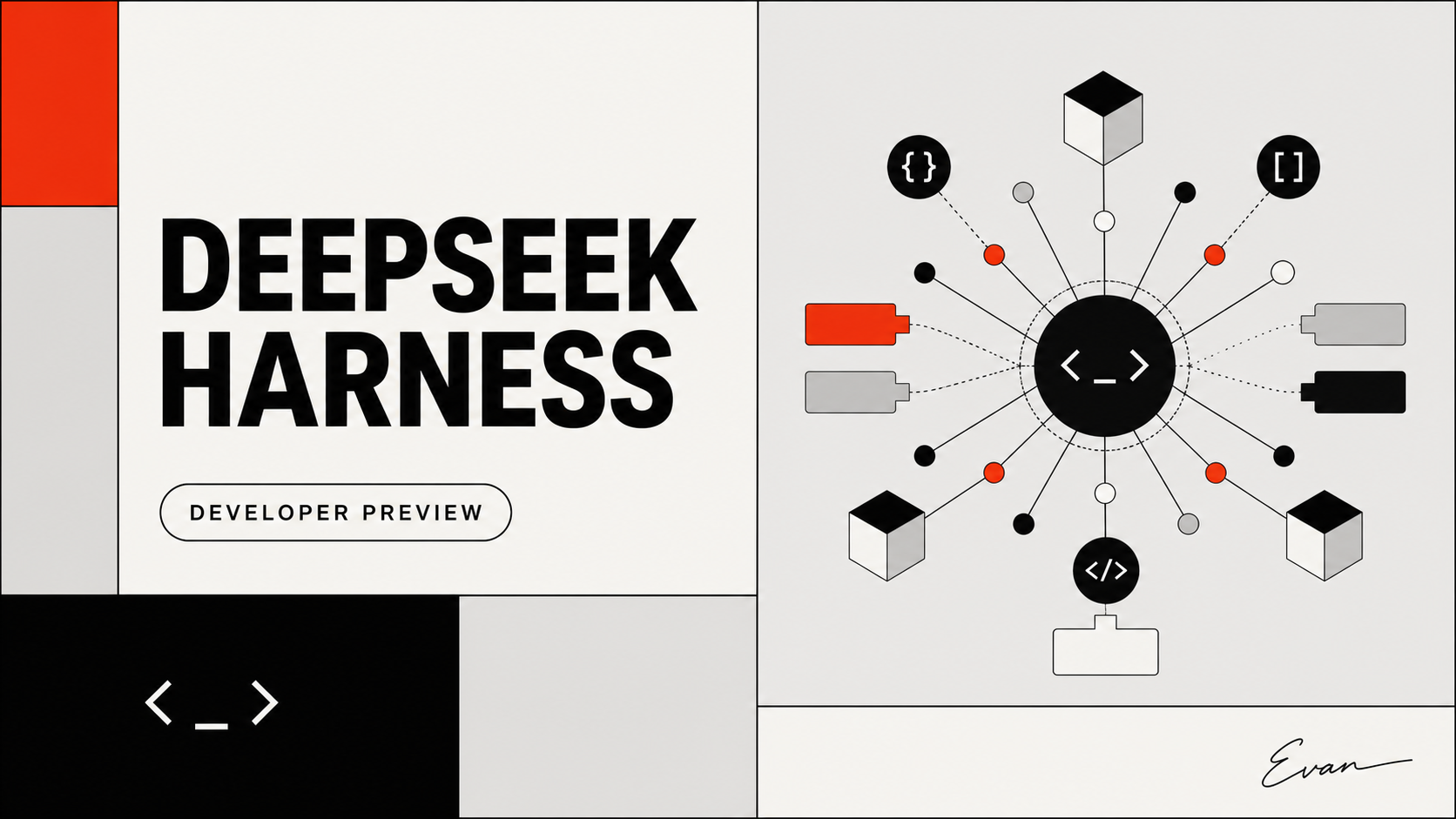
How to Install DeepSeek Harness: A Developer-Preview Guide to the Plugin-First Coding Agent
Learn how to install DeepSeek Harness from npm or source, understand its plugin-first design, and decide whether a fast-moving developer preview belongs in your coding workflow.
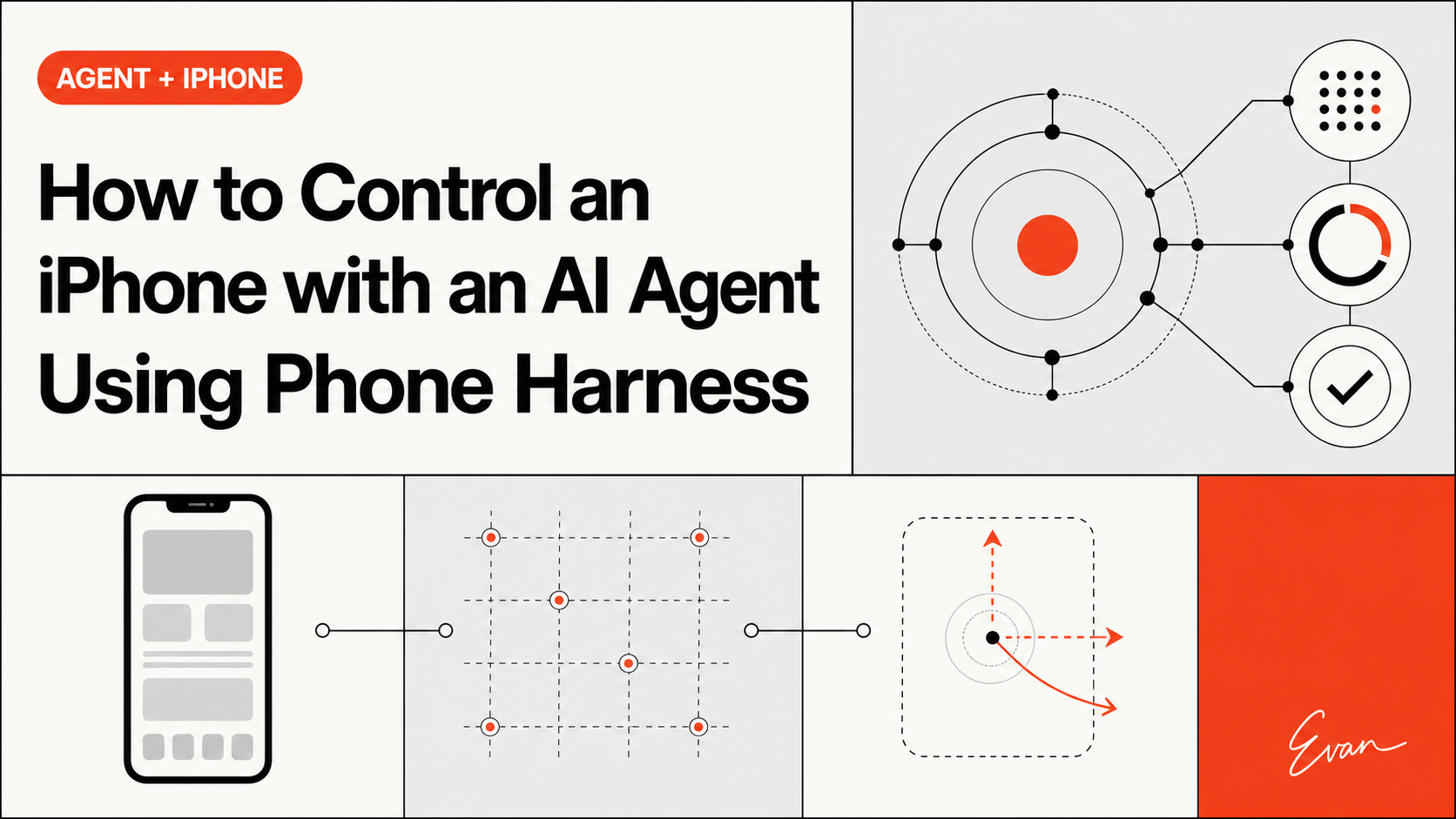
How to Control an iPhone with an AI Agent Using Phone Harness
See how Phone Harness connects an AI agent to a real iPhone through macOS iPhone Mirroring, including setup, OCR, HID input, permissions, and limits.

Symphony Knowledge Graph for Agent Memory
Symphony knowledge graph workflows can give long-running coding agents durable repository memory and system context.
What Is Cowart? A Codex Plugin for Image Editing
Cowart is a third-party Codex plugin that uses a local infinite canvas for visual annotation and image-editing workflows.

Trae Context Engineering for Agents
Trae context engineering gives AI coding agents project rules, architecture context, and repository evidence before complex edits.

Trae Knowledge Graph for Developers
Trae knowledge-graph workflows add repository intelligence beyond IDE chat context and code indexing.